Why proactive IT maintenance matters
Traditional IT support waits for things to break. Something fails, you call for help, business operations stop while you wait for fixes. This reactive approach costs more and disrupts more than it should.
As a core component of our IT management services Los Angeles, proactive IT maintenance flips that model. Instead of waiting for system failures, we prevent them. Continuous monitoring catches issues before they impact users. Routine maintenance keeps systems running smoothly. Early detection stops small problems before they become major disruptions.
The difference shows up in your bottom line. Businesses using reactive support spend more on emergency repairs, lose more to downtime, and deal with more frustrated employees. Proactive IT maintenance reduces these costs while improving system reliability.
Your IT team shouldn’t spend their days fighting fires. They should focus on projects that move your business forward. Proactive maintenance makes that possible by handling the routine work that prevents fires from starting.
How proactive maintenance prevents system failures
System failures don’t usually happen without warning. Hardware shows signs of wear. Software develops performance issues. Security vulnerabilities appear. Proactive maintenance catches these warning signs early.
Continuous monitoring tracks system health around the clock. Monitoring systems watch server performance, network traffic, storage capacity, and security events. When metrics deviate from normal patterns, our IT team investigates before problems escalate.
Patch management keeps systems current without disrupting business operations. We test updates before deployment, schedule installations during off-hours, and verify successful application. This prevents the security vulnerabilities and compatibility issues that cause system failures.
Early detection makes the difference. Our monitoring systems identify aging hardware before it fails, catch software conflicts before they crash applications, and spot security threats before they compromise data.
Routine maintenance tasks include updating software, checking backup integrity, reviewing system logs, optimizing databases, and cleaning temporary files.
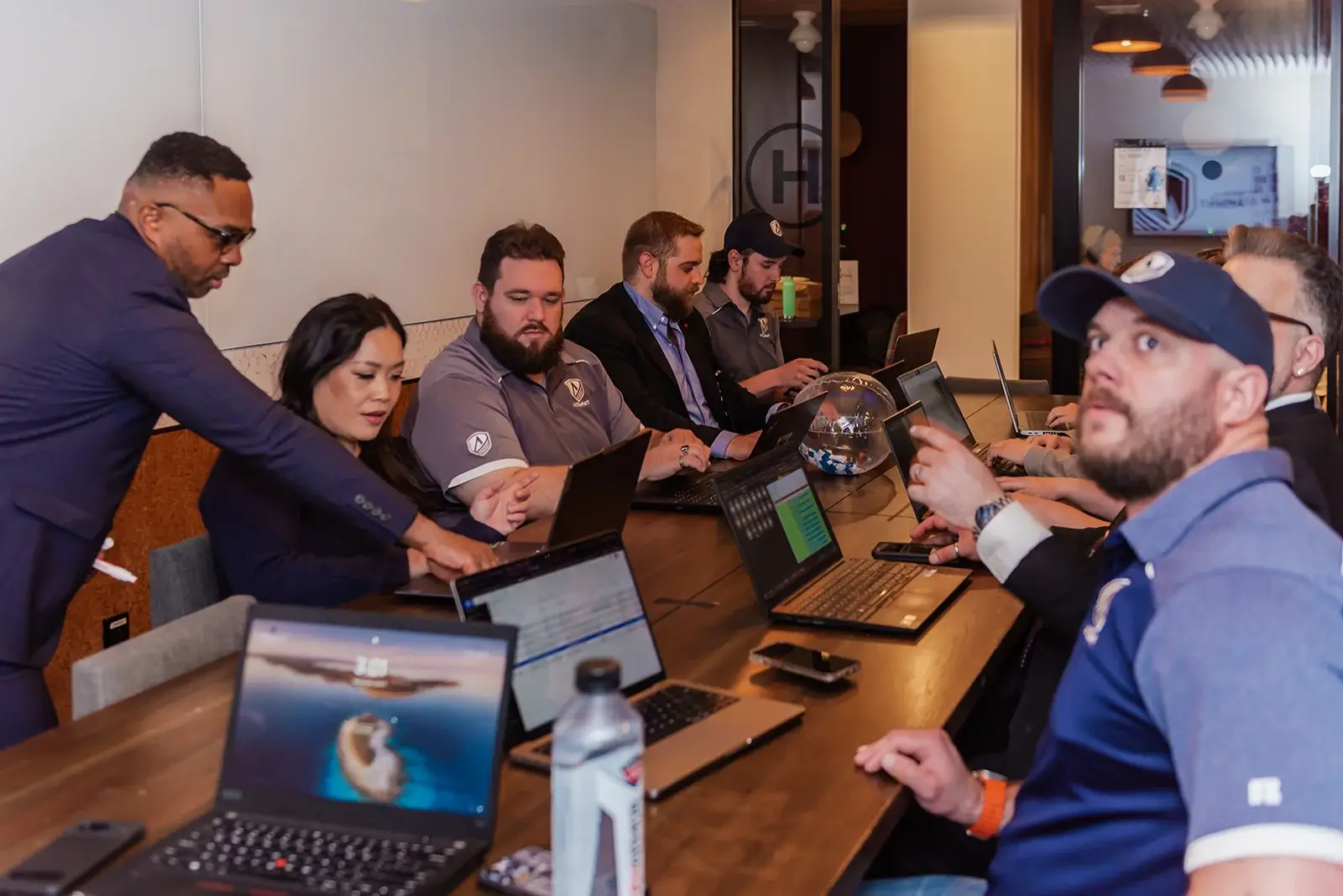
Key benefits of proactive IT maintenance
The benefits of proactive IT maintenance show up in multiple ways throughout your business.
You reduce downtime significantly. When properly maintained systems do experience issues, they’re usually minor and quick to fix. Major outages become rare events instead of regular occurrences. Every hour of avoided downtime translates to maintained productivity and revenue.
Cost savings accumulate over time. Proactive maintenance costs less than emergency repairs. Planned replacements cost less than rush orders for failed equipment. Preventing problems costs less than fixing them after they disrupt operations.
Enhanced security comes from consistent patch management and monitoring. Security vulnerabilities get addressed before attackers exploit them. Unusual network activity gets investigated immediately. Your IT infrastructure stays protected against cyber threats through proactive strategies rather than reactive responses.
System performance stays consistent. Routine maintenance prevents the gradual slowdowns that frustrate users and reduce productivity.
Improved efficiency means employees spend less time waiting for slow applications or dealing with technical issues.
AllSafe IT’s proactive maintenance framework
AllSafe IT delivers proactive IT maintenance through a proven process designed for visibility, prevention, and performance.
Our approach starts with comprehensive monitoring. We use enterprise-grade tools to continuously track network health, performance metrics, and security events across your entire environment. This gives you 24/7 visibility into system status.
We perform silent remediation through automated maintenance tasks. Our systems patch vulnerabilities, optimize performance, and resolve alerts before users notice problems. This prevents the small issues that typically escalate into major disruptions.
Your dedicated account strategist reviews trends monthly and provides tailored recommendations. We don’t just maintain your current environment; we align technology improvements with your business roadmap to support growth.
With a 99.999% uptime rate and 94.9% customer satisfaction score, AllSafe IT’s proactive maintenance solutions deliver measurable results. Our clients experience fewer interruptions, lower IT costs, and better system reliability compared to reactive support models.
This process-driven approach ensures long-term IT stability while keeping your infrastructure optimized and ready for whatever your business needs next.
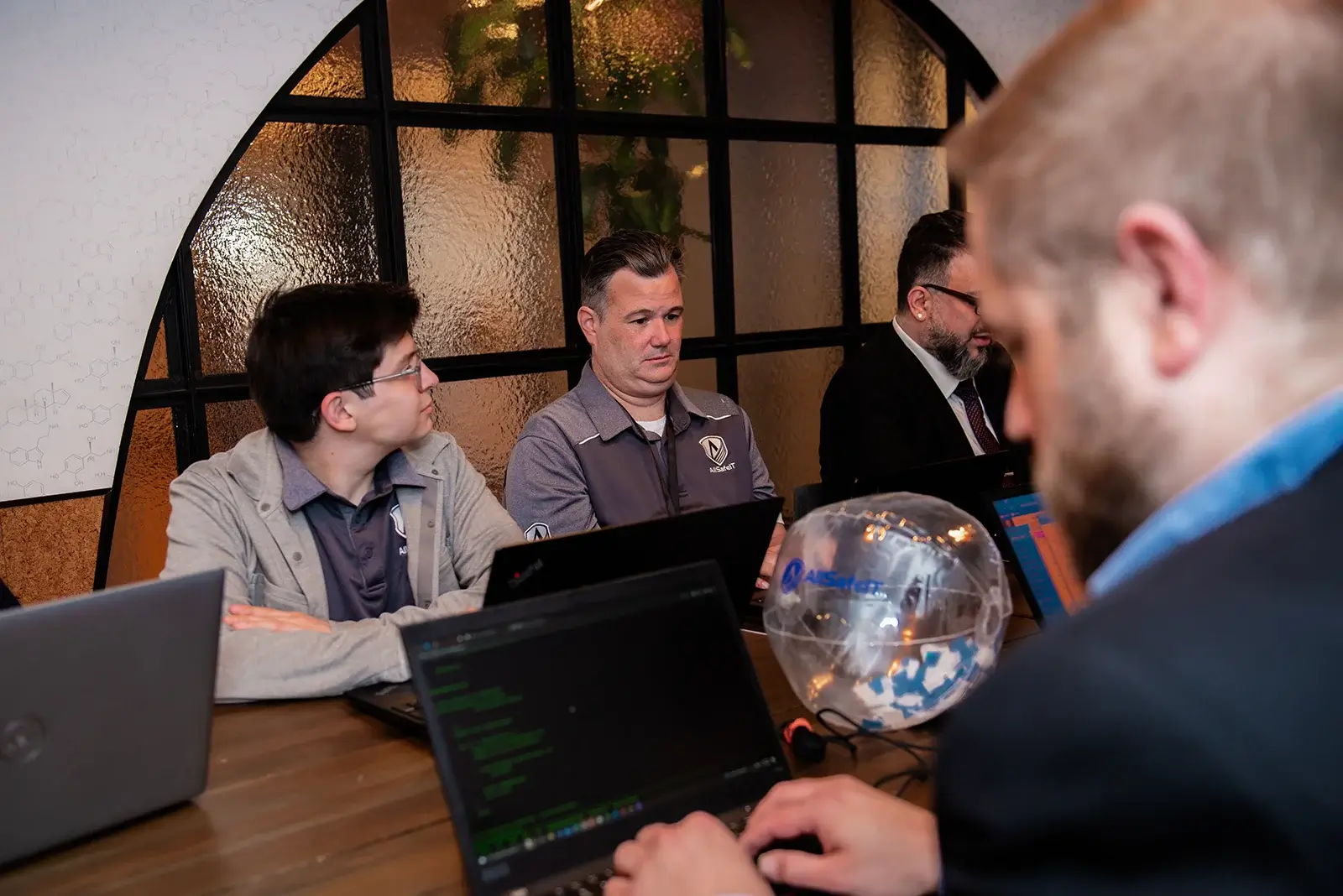
Proactive maintenance ensures business continuity
Business continuity depends on reliable systems. When critical systems fail, business operations stop. Customers can’t be served. Orders can’t be processed. Work can’t get done.
Proactive IT maintenance protects business continuity by keeping systems available when you need them. We identify potential risks before they impact operations. Aging hardware gets replaced on schedule rather than failing unexpectedly. Software updates happen during maintenance windows, not as emergency patches following breaches.
System performance affects user productivity directly. Slow systems mean frustrated employees working less efficiently. Proactive maintenance keeps performance at acceptable levels through regular optimization. Database maintenance, disk cleanup, and configuration tuning ensure systems respond quickly.
Your IT infrastructure needs to scale as your business grows. Proactive maintenance includes capacity planning to ensure systems can handle increasing demands. We monitor resource usage trends and recommend upgrades before constraints become bottlenecks.
Our 24/7 helpdesk support complements proactive maintenance by providing immediate assistance when issues do occur, ensuring minimal impact on business continuity.
Proactive strategies vs reactive support
The difference between proactive strategies and reactive support extends beyond just timing.
Reactive support responds to problems after they occur. Something breaks, users report issues, IT team investigates and fixes. This approach means accepting interruptions as normal. Emergency repair costs run higher because everything is urgent. Lost productivity accumulates while users wait for resolution.
Proactive strategies prevent most problems from occurring in the first place. Continuous monitoring identifies issues early. Preventive maintenance addresses wear before failure. Software updates happen on schedule. This proactive approach reduces the frequency and severity of IT issues.
The cost difference is substantial. Emergency repairs often require overtime labor, rush shipping for replacement parts, and higher service rates for urgent response. Proactive maintenance spreads these costs across planned activities at normal rates.
User experience differs dramatically. With reactive support, employees experience frequent disruptions and learn to accept slow performance as normal. Under proactive maintenance, systems work reliably, performance stays consistent, and technical issues rarely impact daily work.
Our endpoint management services integrate with proactive maintenance to ensure every device receives the attention it needs before problems develop.